Why the World Needs More Ways of Thinking: The Case for Investing in Global Education
Key Takeaways
Education is a shared resource. The quality of minds advancing humanity’s cause and solving global problems affects everyone, regardless of where those minds are located.
Knowledge works better when it's shared. The shift from hoarding information to open access has already begun; however, many from marginalized communities need support to access what’s available.
Diverse thinking produces better solutions. Different cultures approach opportunities and solving problems differently, and that variation expands the range of ways humanity can respond to complex challenges.
Education compounds across generations. Educated parents, especially mothers, change the learning environment at home before formal schooling even begins.
Supporting global education is in everyone’s best interest. Investing in students across the world builds a more capable, resilient global community that returns value to everyone.
Global Challenges Require Global Thinking

The world has never been more connected, and that connectivity brings with it a new kind of complexity. The challenges we face today are deeply interconnected, rippling across continents and affecting communities in ways that require coordinated, cross-border solutions. Think about what we've seen just in recent years:
Disease outbreaks can shut down entire economies overnight.
Supply chain disruptions can leave shelves empty across the globe.
Climate change is reshaping agriculture, migration, and livelihoods everywhere.
Political instability creates humanitarian crises that cross multiple regions.
Harnessing opportunities and addressing problems like these calls for people who can think across cultures, systems, and disciplines simultaneously to collaborate across the globe. That's where global education comes in.
Young people are already driving economic and social transformation in remarkable ways, from founding startups to leading grassroots movements. Equipping them with broad, connected thinking gives the next generation the tools to tackle challenges that are, by nature, bigger than any one place or perspective.
When Knowledge Stopped Being a Secret
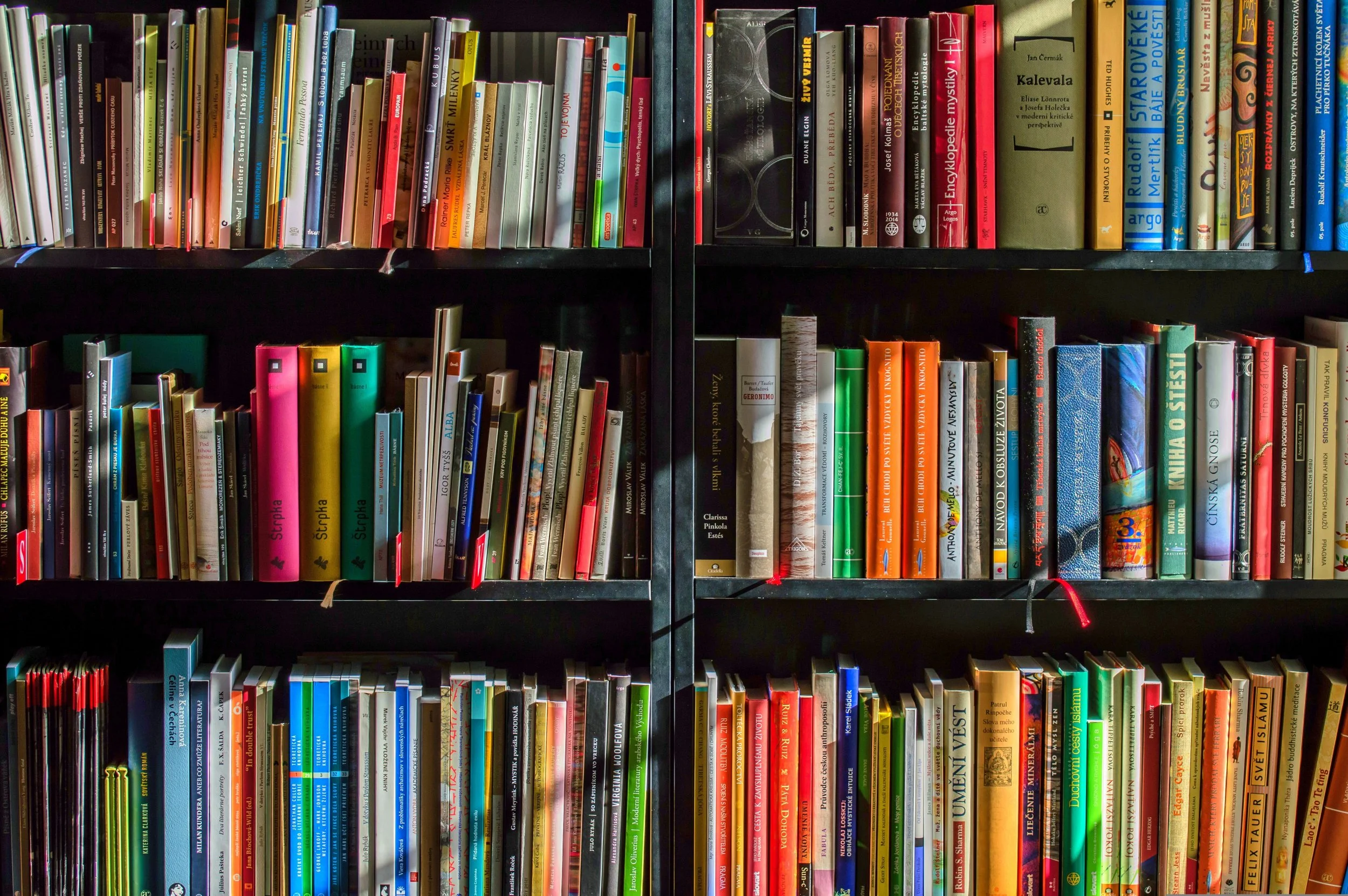
For most of history, knowledge was treated as a competitive advantage to be protected. Nations guarded the techniques behind spice cultivation, tea production, and porcelain manufacturing the way companies guard trade secrets today. China, for instance, enforced its monopoly on silk production for several centuries through imperial decree, making it a capital offense to share the secrets of sericulture with any foreigner. The logic was clear: controlling knowledge meant controlling power.
That model has largely given way to something different. In 2001, MIT launched OpenCourseWare with the goal of making its educational materials freely available to anyone, anywhere in the world. As of 2020, those materials had been accessed by over 500 million learners worldwide since the platform's inception. Stanford, Yale, Howard, and hundreds of other international universities have followed suit. Cross-border academic partnerships are now routine.
It is almost a response to the Indian Nobel Laureate poet, Rabindranath Tagore’s poem, “Where the mind is without fear,” written in 1901 under British colonial rule, in which he pleads, “Where knowledge is free…” However, many young minds still need support to acquire structured learning to put information and knowledge to practical use.
The infrastructure for global education already exists in ways that would have been unimaginable a generation ago. And this is where promising young minds need support.
What Is Cognitive Diversity?
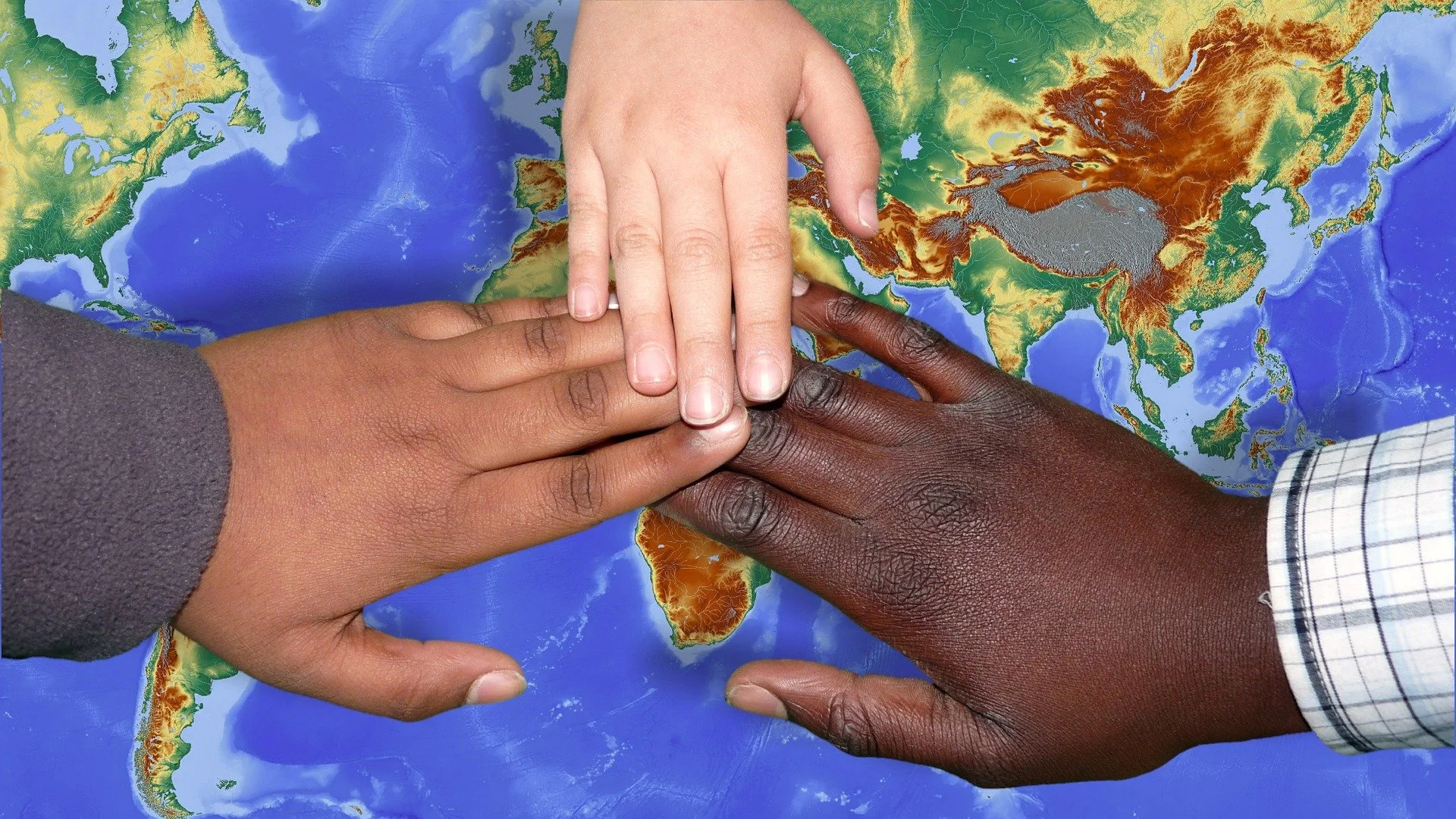
Cognitive diversity refers to the range of perspectives, problem-solving approaches, and ways of thinking that people bring based on their backgrounds, cultures, and lived experiences. It’s distinct from demographic diversity, though the two are often related.
Cultural education plays a direct role in shaping cognitive diversity. When students are educated within their own cultural traditions and knowledge systems, they develop distinct frameworks for understanding the world. Those frameworks don't disappear when they enter a global workforce. They become an asset.
Consider what different traditions contribute:
Eastern philosophical traditions: Confucian values, which have shaped East Asian culture for roughly two thousand years, have been linked in peer-reviewed research to a preference for holistic thinking. Those brought up in this tradition see problems as interconnected wholes rather than isolated parts.
Indigenous ecological knowledge: Research published in Frontiers in Ecology and the Environment finds that Indigenous knowledge systems contribute measurably to our understanding of ecology and biodiversity, drawing on generations of direct observation that Western science has only recently begun to formally recognize.
Collectivist values and shared challenges: Collectivist cultures, found broadly across South and Southeast Asia, sub-Saharan Africa, the Middle East, and Latin America, prioritize group well-being over individual gain. A 2025 study found this orientation supports cooperative responses to shared problems like climate change, where more individualistic approaches have struggled.
A world with more educated people from diverse cultural backgrounds is not only more diverse but also more capable.
The Generation After This One
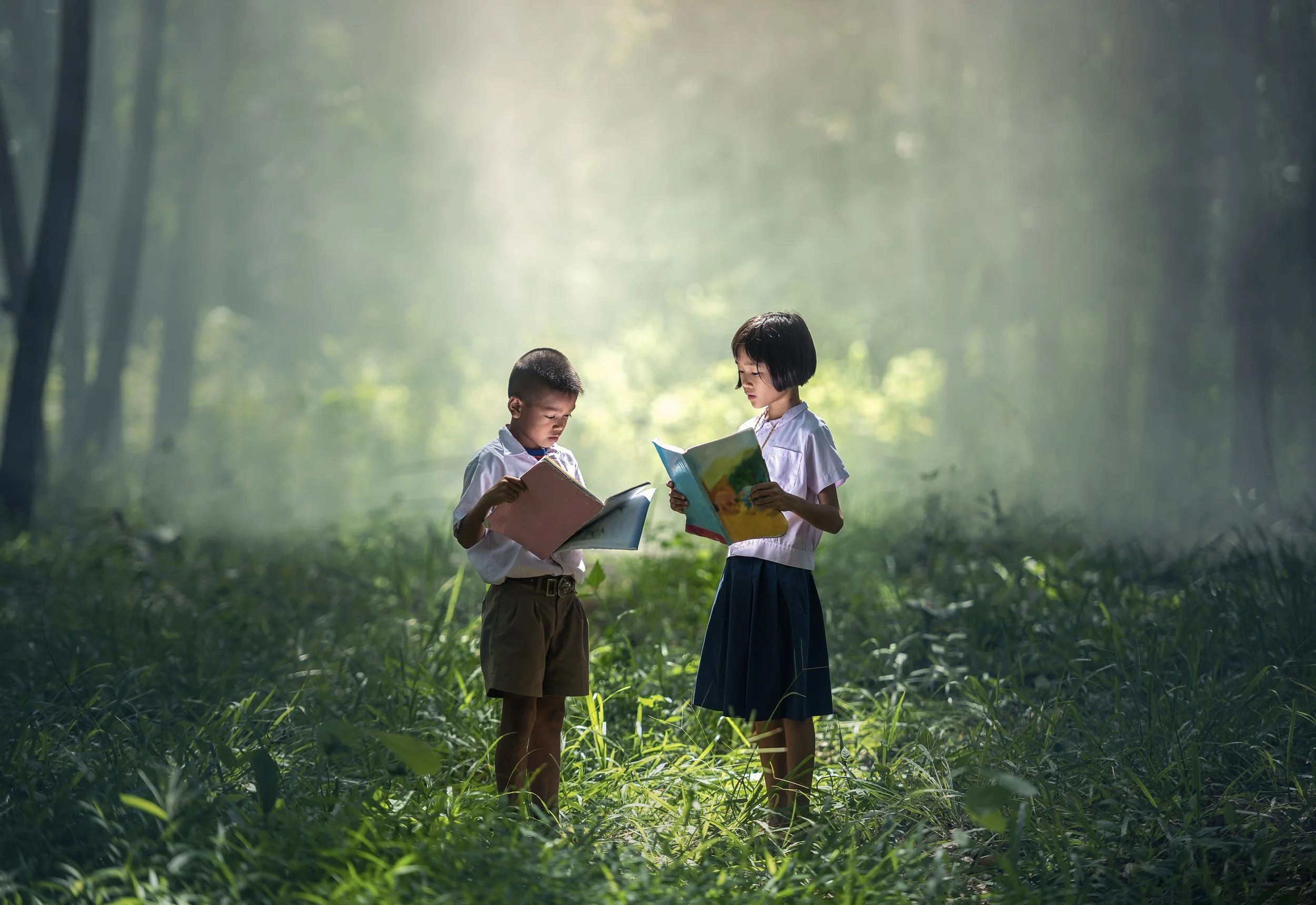
The effects of education don't stop with the person who receives it. Research on the long-term impact of scholarships consistently shows that an educated person reshapes the environment their children grow up in, often before those children ever set foot in a classroom.
Educated mothers, in particular, shape how children think, ask questions, and engage with learning from an early age. Children absorb habits of curiosity and the confidence to speak up through everyday interaction, not formal instruction. They grow up believing that knowledge is something worth pursuing. A single scholarship, viewed through this lens, becomes a long-term investment in community-level change that compounds across decades. The returns show up in the next generation's test scores, career choices, and civic participation. They appear in outcomes that no single data point can fully capture.
What We're Really Investing In
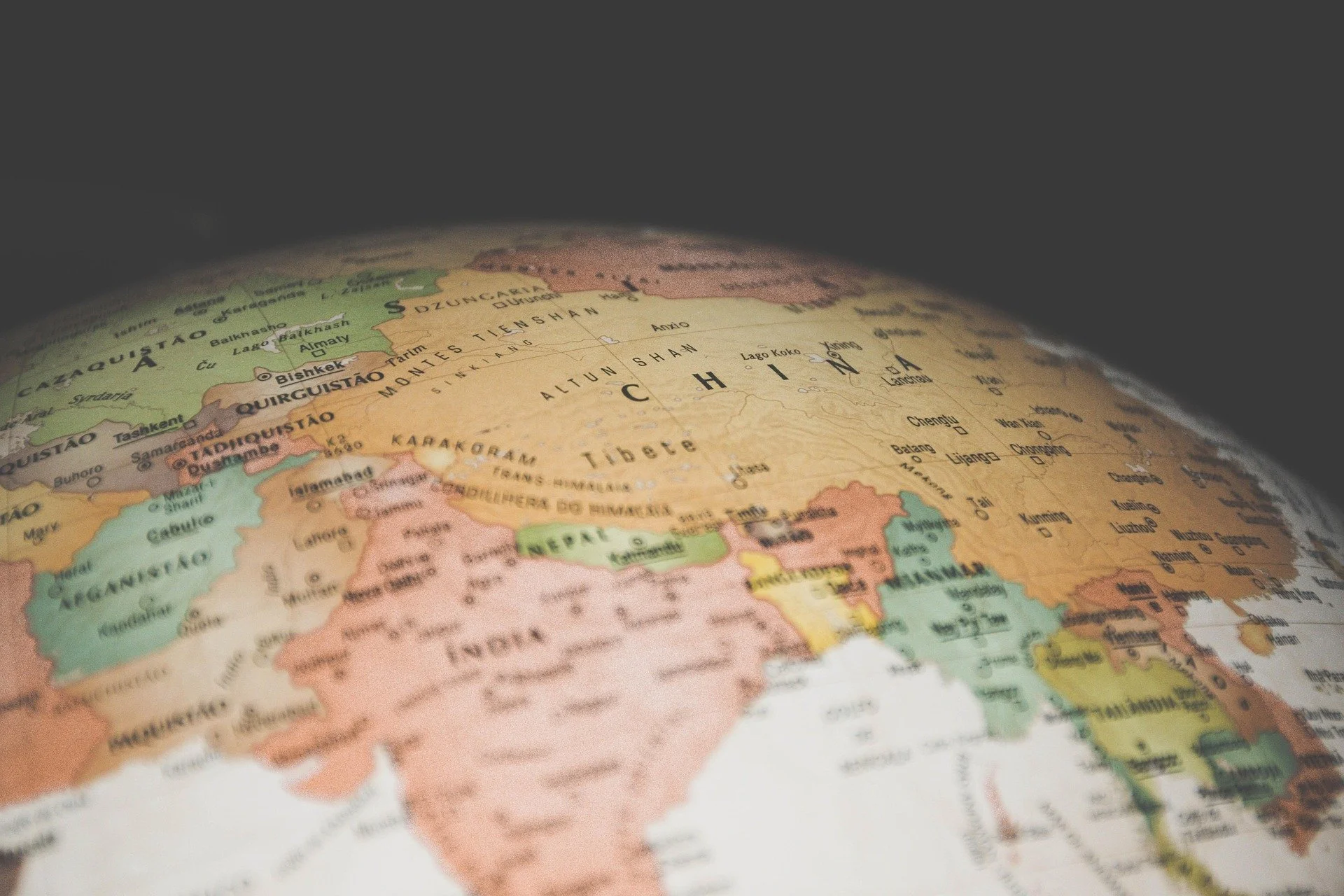
Supporting overseas schools and scholarship programs for underserved students is sometimes framed as generosity. A more accurate frame is participation. When a student in India, Nepal, or Thailand completes a degree, they return something to the world: a trained mind, a new set of capabilities, and a community that benefits from their knowledge and earning power.
A world with more educated people from more places is a stronger and more resilient one. The evidence for that is already coming into focus, one student at a time. The question is simply whether we choose to be part of it.
At Tiyara, we seek to provide higher education scholarships that will make life-changing differences for under-resourced young women and men. Scholarships are also extended to young women and men who belong to indigenous populations living in remote areas or who have had their lives changed by discrimination because of crimes committed by a family member, or have lost a family member to a crime, and those who face discrimination because of their caste.
You can help make dreams come true by providing education for Tiyara’s scholars and helping to put a deserving young person through college! In doing so, you’ll propel not just one student, but the global community toward a brighter, more equitable future.